

The light-blue nine-story residential buildings with the “Children’s World” store, constructed in 1970–1971, are well-recognized and loved by Tashkent residents — it’s hard to imagine the city center without them.
Project authors:
architects A. G. Rochegov, V. V. Steyskal, V. M. Ginzburg, Yu. V. Raninsky, M.
A. Firsov, and V. V. Khandzhi; engineers V. R. Feigelman and V. Rostavanov.
After the
earthquake, the narrow Pervomayskaya Street (now Shahrisabz Street) was widened
and connected the extended Navoi and Shota Rustaveli avenues, forming one of
the city center’s main transport arteries.
The buildings
located on Ts-1 and Ts-2 form distinctive “gates” for Mustaqillik Avenue
(formerly Pushkin Street).
The residential
buildings were constructed without conventional stairwell landings; instead,
external galleries serving six apartments each were installed. The blue tile
cladding on the facades gives the buildings a festive and airy appearance.
In Soviet times,
“Children’s World” was the main store for toys, stationery, sports equipment,
children’s clothing, and footwear. Today, its premises are occupied by various
organizations.
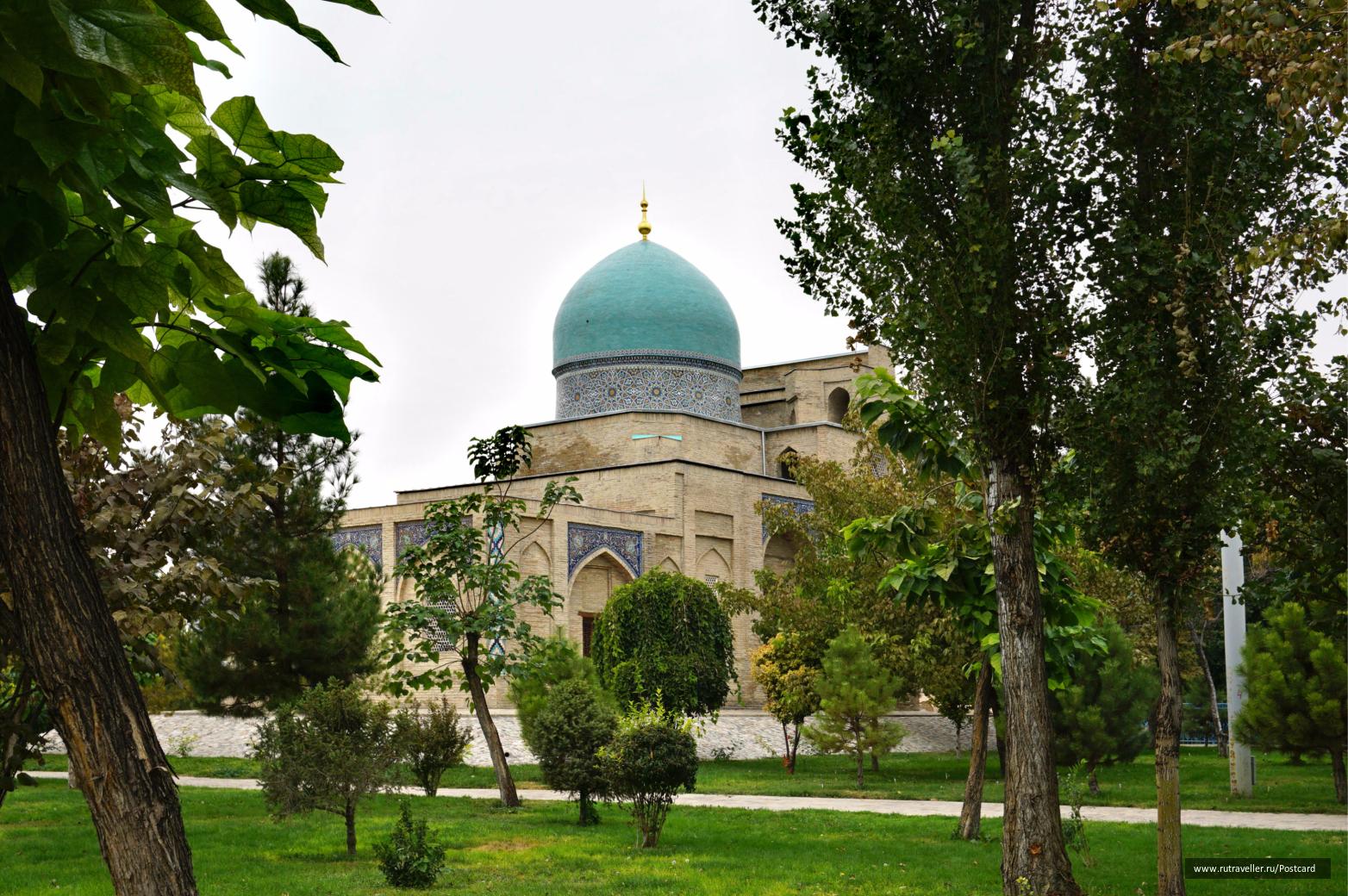
The conventional list of Tashkent's patron saints traditionally begins with Al-Kaffal al-Shashi, a ...

The elongated nine-story building visually “holds” the intersection of ChilanZar Street with the S...

The majestic snow-white building of the concert hall is located at the intersection of Navoi Avenue...

The State Museum of Arts of Uzbekistan was founded in 1918 as the People’s University Museum. Until...