
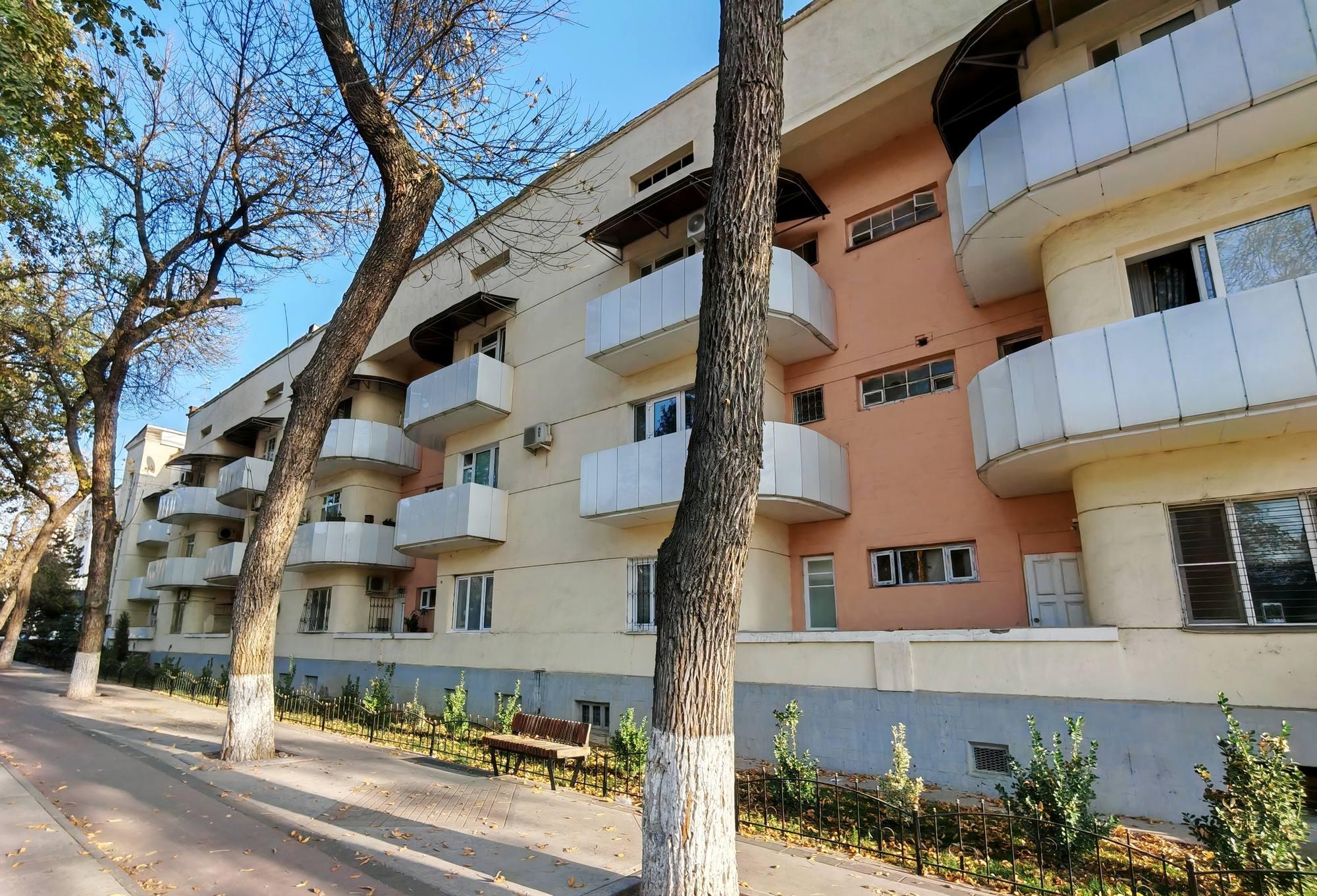
The residential building on the former Pushkin Street was built in 1931 according to the design of architect K. Babievsky. The house is a representative of constructivism, drawing attention with its unusual appearance. The central entrance faces the road, while the others open into the courtyard. This was the first residential building intended to be equipped with an elevator, and only in the central entrance; installation began, but the idea was abandoned.
According to residents’ recollections, the
Tashkent Soviet Executive Committee rejected the house design, but due to the
transfer of the capital to Tashkent, employees of the Cotton Research Institute
needed urgent housing, and there was no time to revise the project.
The building was brick and unplastered,
remembered by everyone as dark and soot-covered. During the street’s
reconstruction, it was “refined” by decorating the balconies with alucobond,
losing its original brutal appearance. The old brickwork can still be seen in
the courtyard — only the front facade was refined.
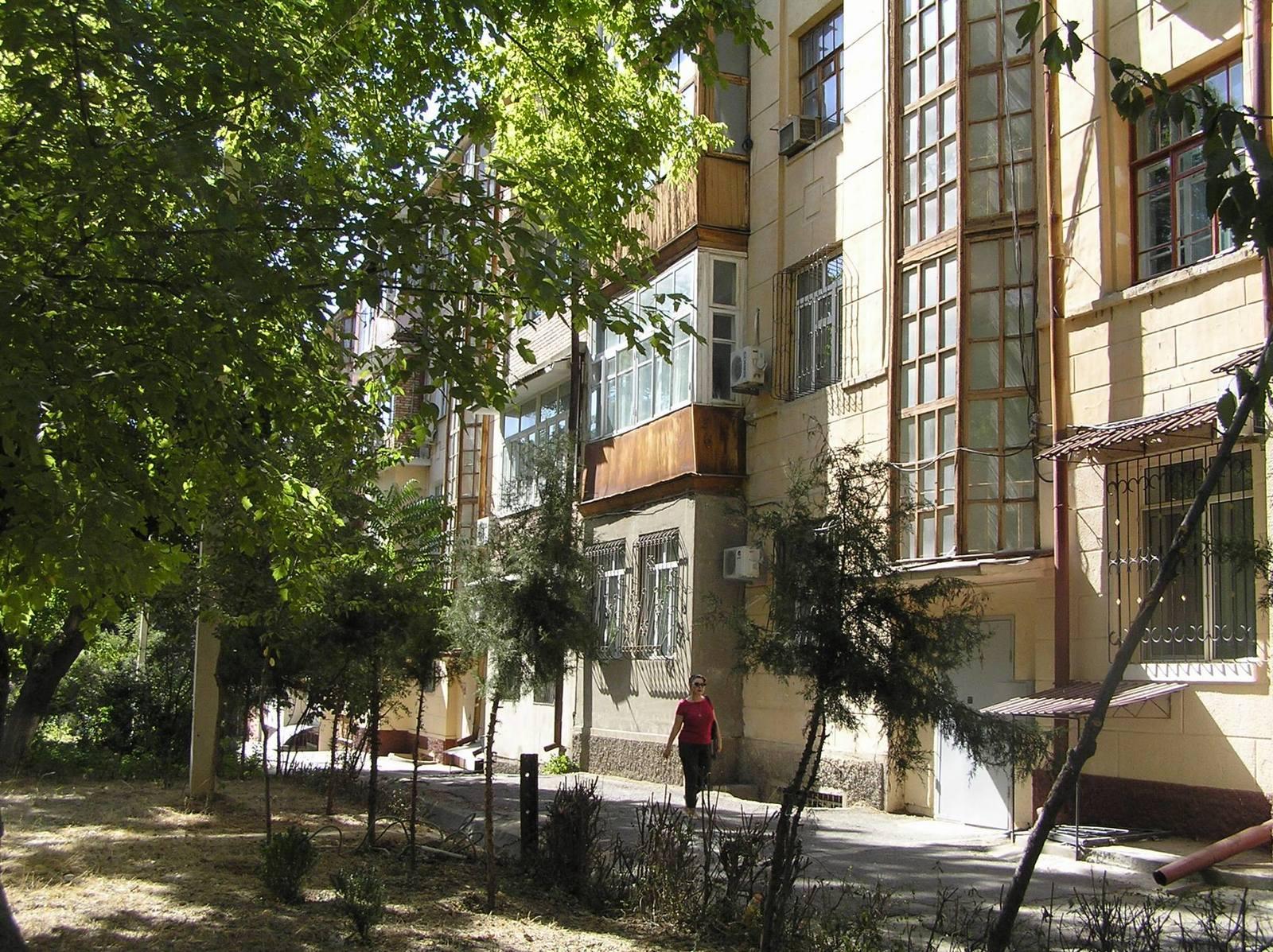
The “House of Specialists” in Tashkent was built in 1934 according to the design of A. Pavlov in th...
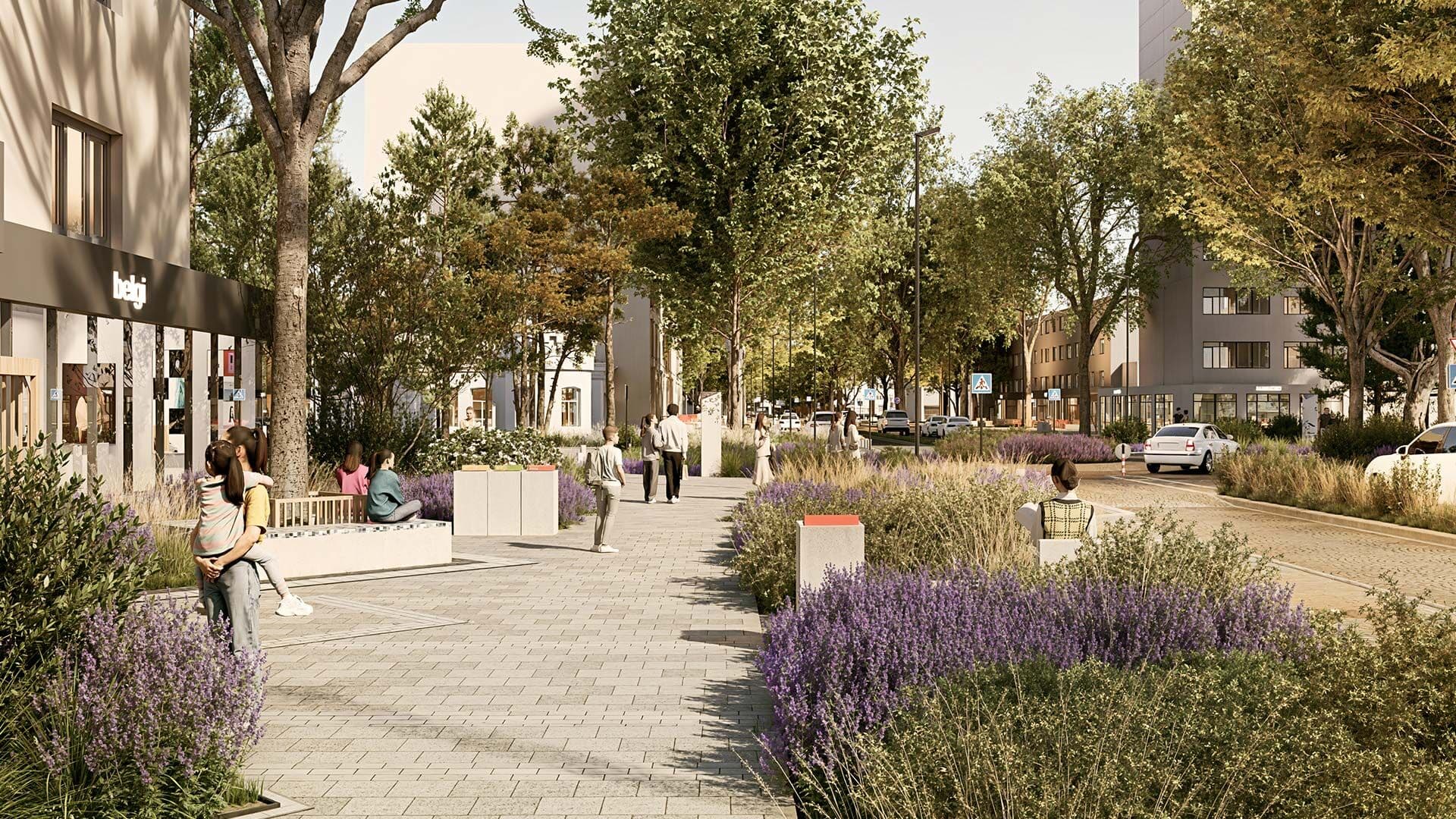
The total length of the street is 2.1 kilometers. All modern conditions have been created here for...
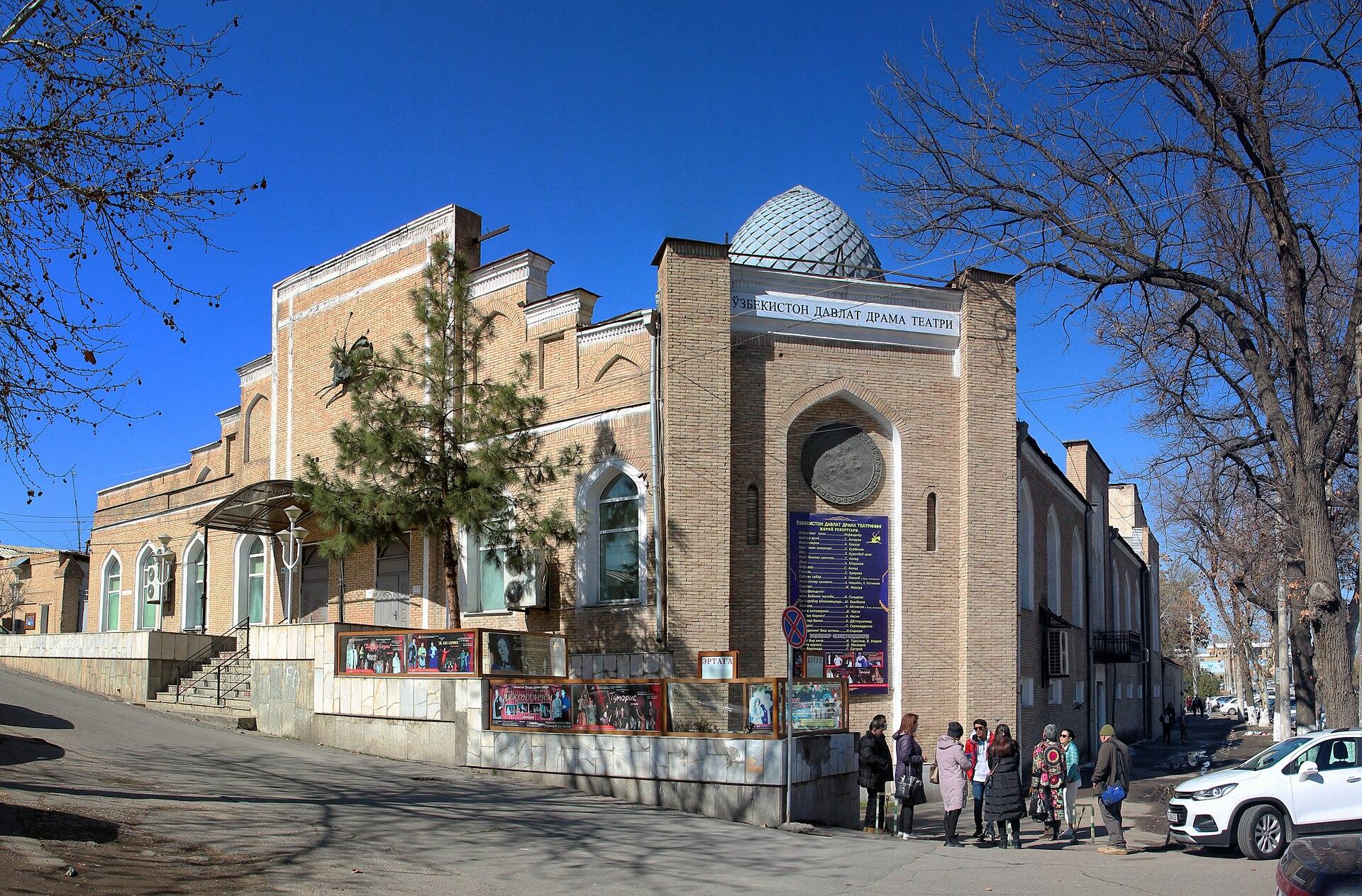
The beautiful and distinctive theater building at the intersection of Zarkaynar and Gulbazar street...
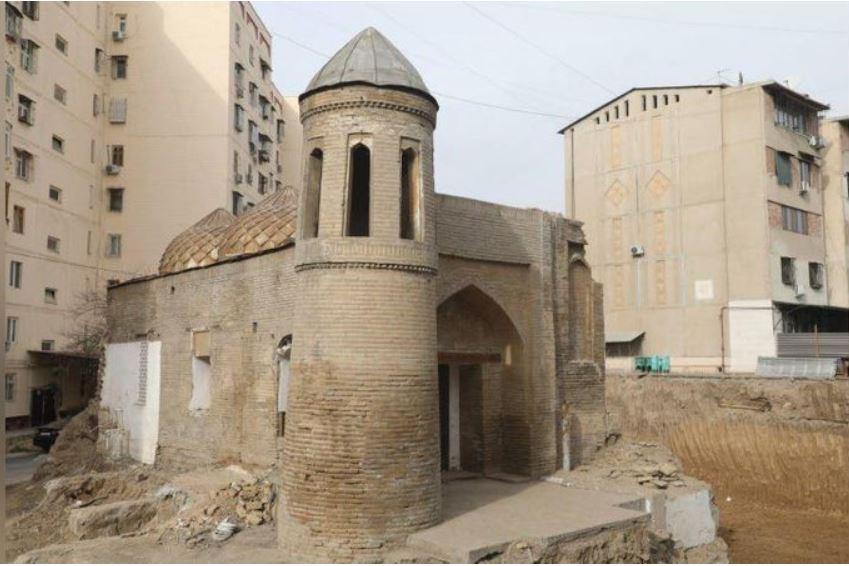
The Baland Mosque was built in 1857. "Baland" means "high," and the mosque received its name from t...