
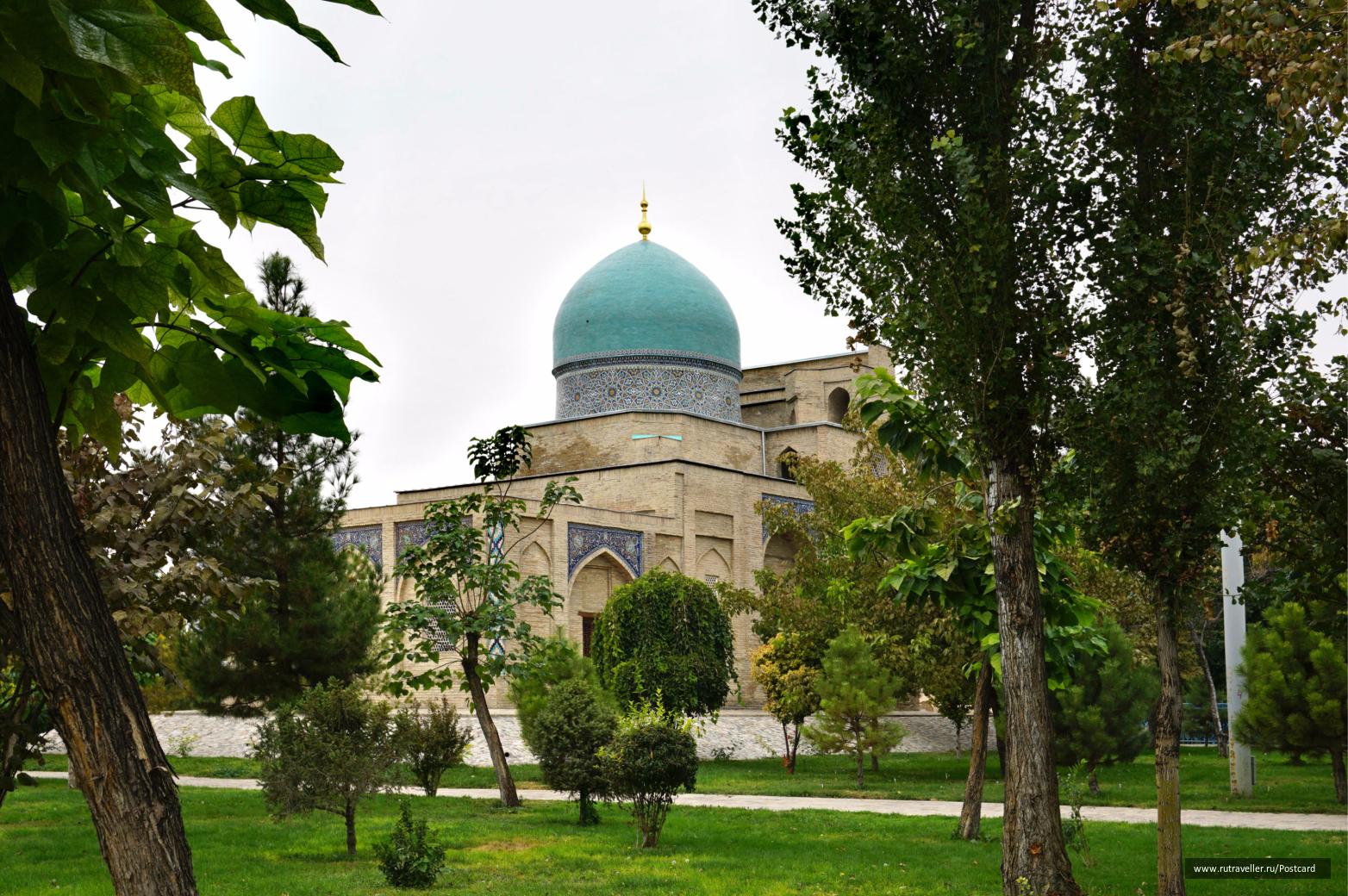
The conventional list of Tashkent's patron saints
traditionally begins with Al-Kaffal al-Shashi, a prominent figure of the first
Islamic Renaissance. The tenth century was renowned for the extraordinary
flourishing of science and art in the Muslim world, and our compatriot was an
active participant in this flourishing. Al-Kaffal al-Shashi was renowned as a
poet, philosopher, theologian, thinker, and scholar, one of the most
enlightened figures of his time. Legend has it that he was also a master of
castle-building.
For a thousand years, Tashkent residents have honored
his memory and are proud that the thinker was born in Tashkent and returned
here in his later years. A mausoleum was built over Al-Kaffal al-Shashi's grave
on the banks of the Kalkauz irrigation ditch. Over the centuries, the city has
been repeatedly devastated by earthquakes and wars, and the mausoleum has been
rebuilt. The current structure was erected in 1541, during the reign of the
Shaibanid dynasty, and reflects respect for the scholar's memory.
Gradually, a complex of buildings, including a mosque
and madrassa, emerged around the mazar, becoming known as the Hazrati Imam
complex, or Khast Imam for short. During the Soviet period, the mazar was
closed, but the memory of the thinker lived on.
In 2007, the Hazrati Imam complex was completely
reconstructed and became a major tourist attraction.
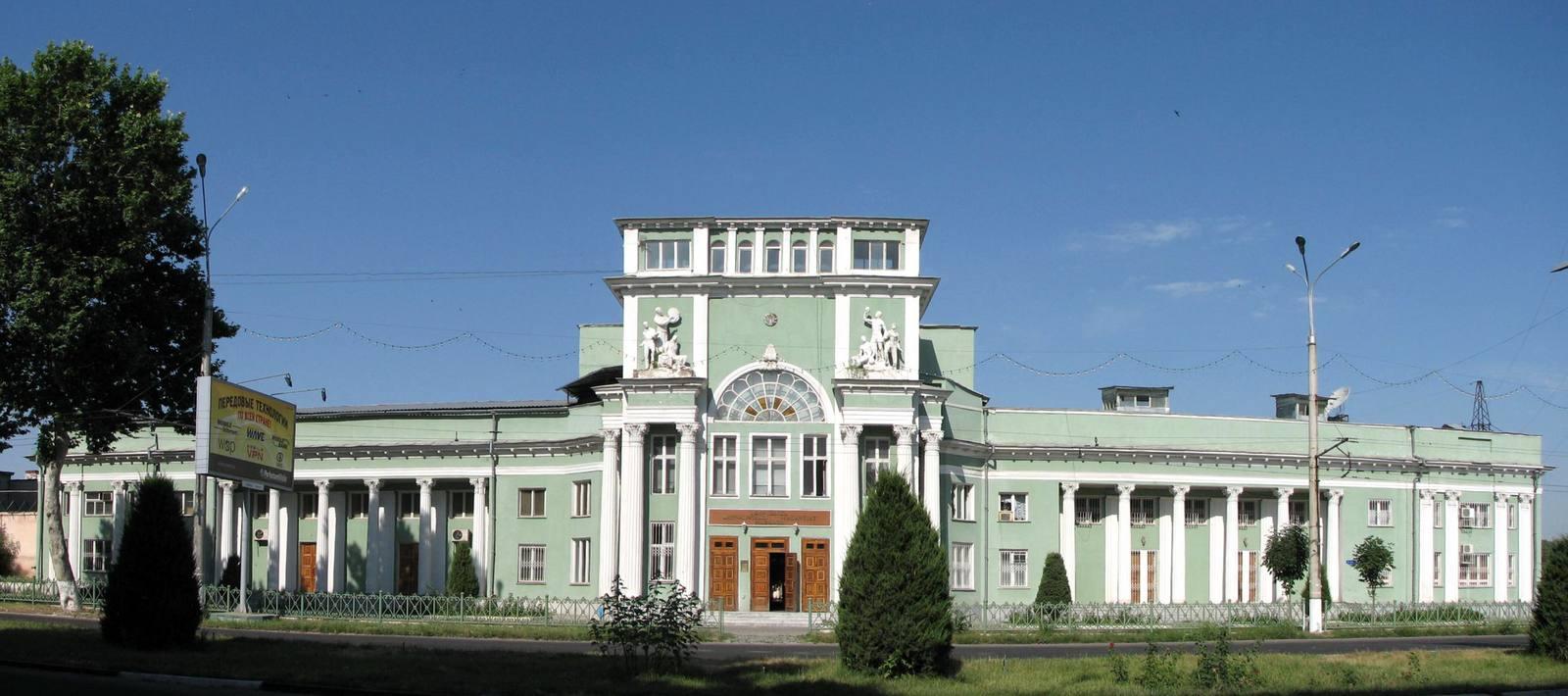
The Shoemakers’ Palace of Culture of Tashkent Production Shoe Association No. 1 was built in 1936 a...
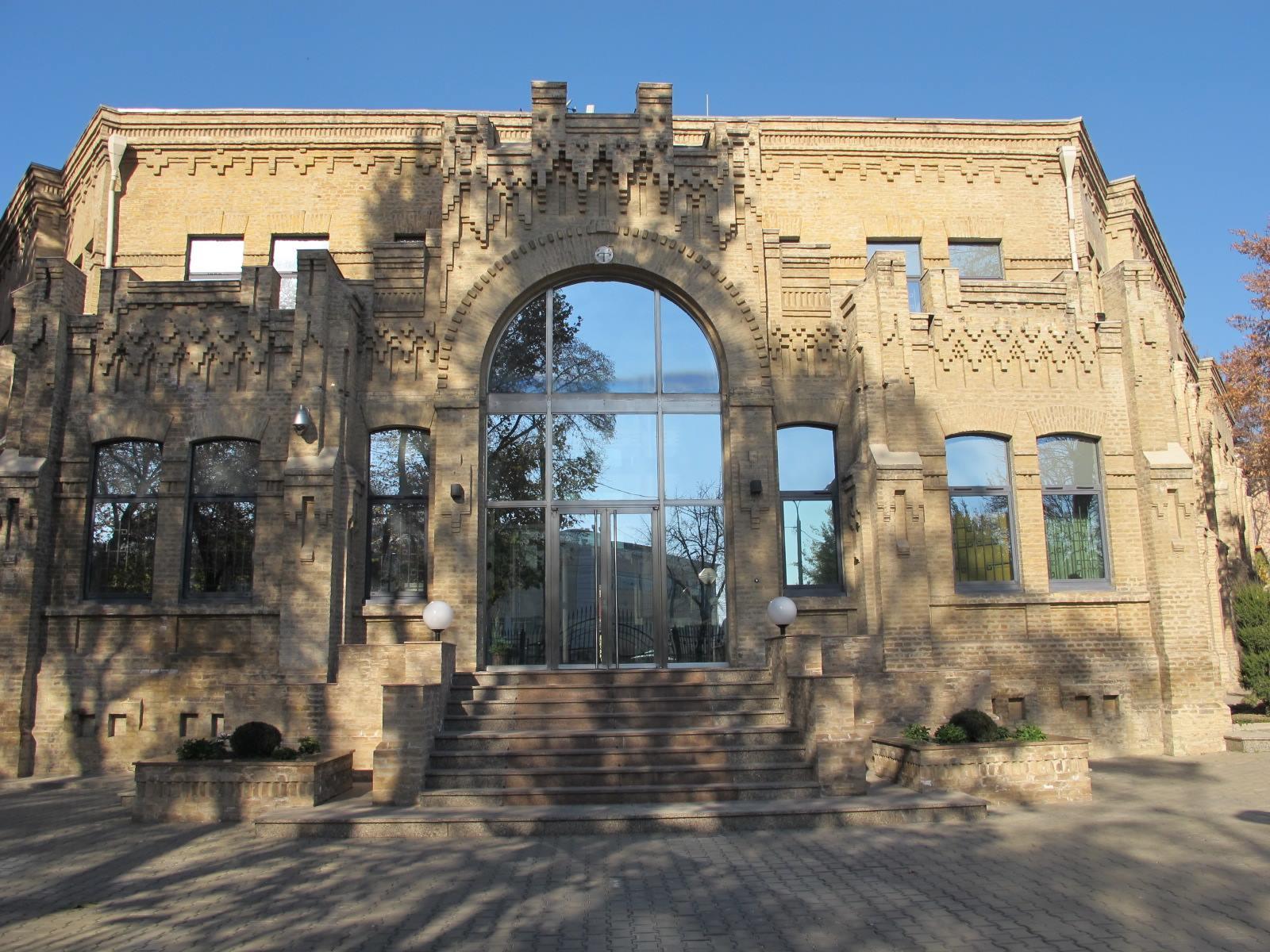
All Tashkent residents notice the French Embassy building located at the corner of Yahyo Gulomov an...
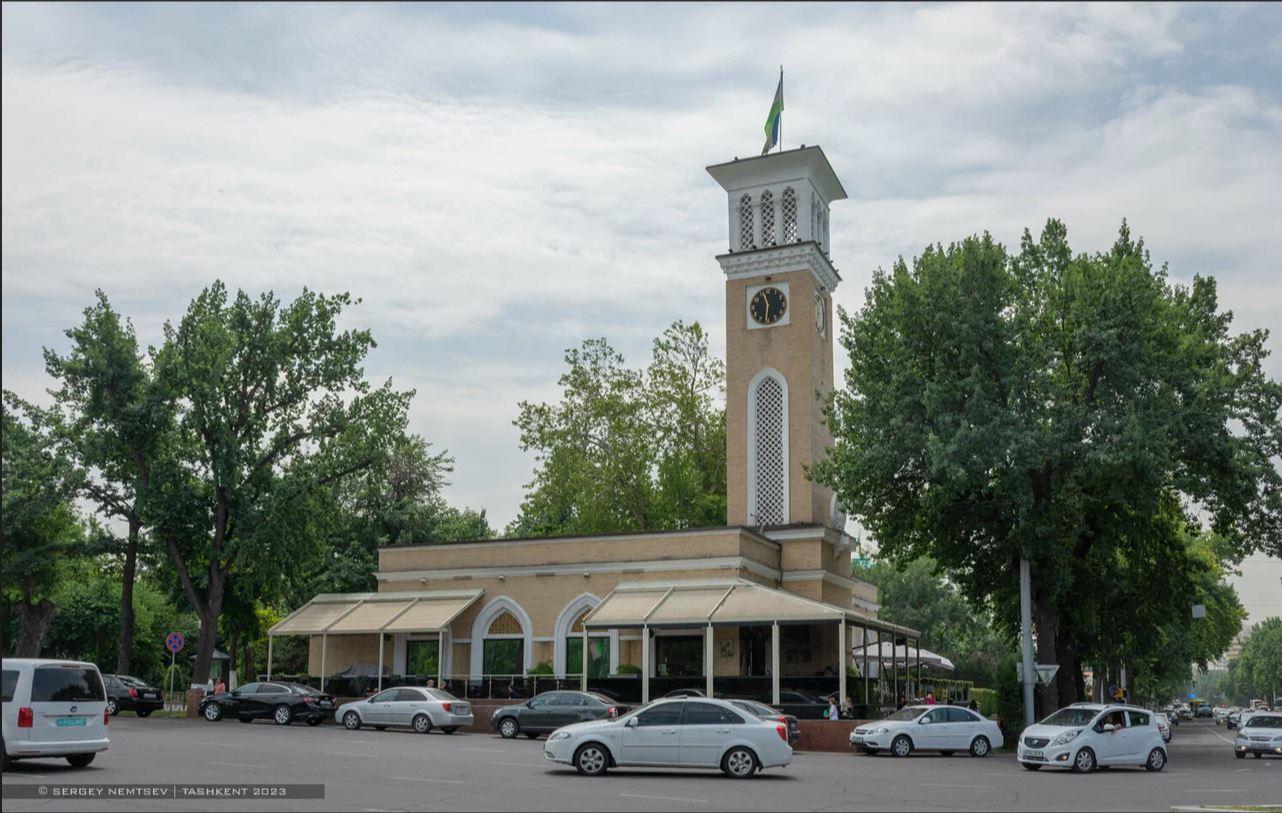
The chimes in the square are one of the capital’s landmarks. The clocks from a destroyed town hall ...
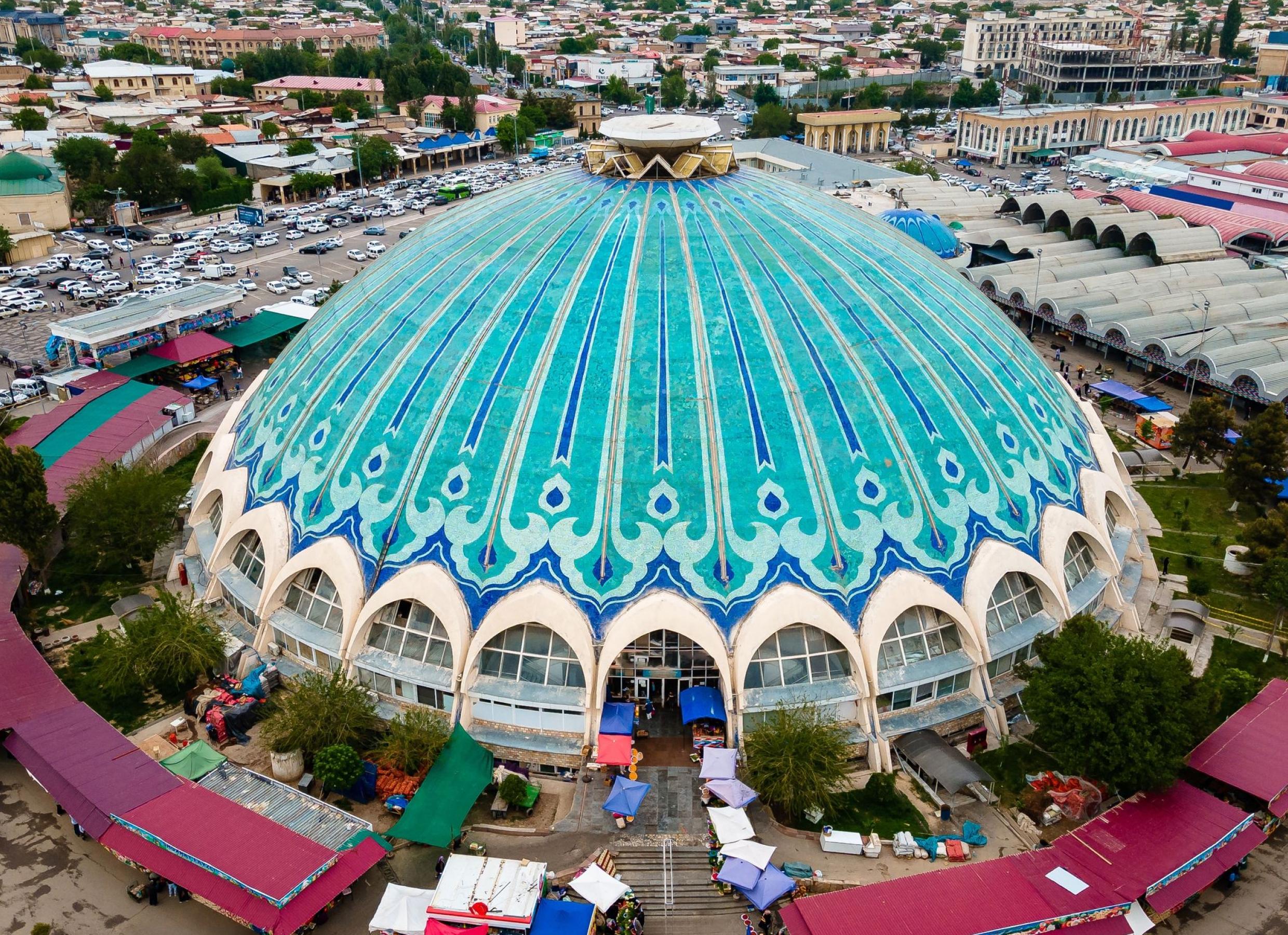
Chorsu Market in Tashkent is one of the oldest and most famous bazaars in Central Asia, a true symbo...